×




 Services.png)







Dedicated team and facility for separation and purification of difficult compounds
(Enantiomers, Close eluting compounds and many more)
Impurity Profiling






Project Initiation

Analytical Method Creation & Validation

Reformulation Research

Reformulation Optimization

Reformulation Development

Project Management Across Stages

Scale-up & Technology Transfer
Project Initiation

Analytical Method Creation & Validation

Reformulation Research
Reformulation Optimization

Reformulation Development

Project Management Across Stages
Scale-up & Technology Transfer
Each project begins with Project Initiation and Scoping, ensuring a clear understanding of client objectives and regulatory requirements. This is followed by in-depth Reformulation Research and Development, where innovative methods are explored to enhance efficacy, stability, and performance.
Our Analytical Method Creation and Validation guarantees precision and reliability throughout every stage of formulation. We emphasize Reformulation and Optimization to achieve superior product outcomes, backed by robust data and scientific insight. Finally, through Scale-up and Technology Transfer, we ensure smooth transition from lab to production, while our Project Management Across Stages provides seamless coordination and quality assurance at every milestone.

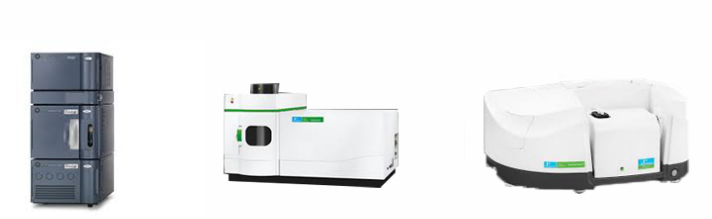
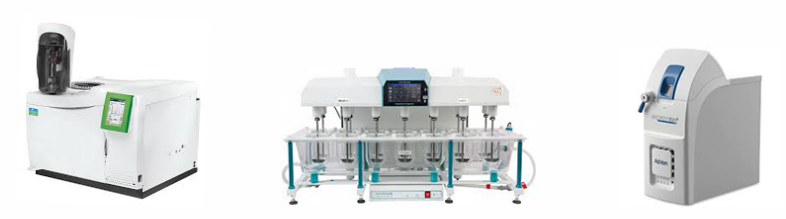
ICP-OES - Make/model - Perkin Elmer Optima 8000
ICP-MS - Make/model - Agilent 7800
HPLC - Make/model - Waters Alliance e2695, Waters 2489 (Arc) with UV/Vis and PDA detectors and RI detector
UPLC - Make/model - Waters Acquity UPLC H class
GC - with FID, TCD, ECD and NPD — Make/model - Perkin Elmer Clarus 580 and Agilent 7980A with HS 7694E
Stability Chambers - Newtronic
LCMS - Waters Acquity SQD2
| CATEGORY | TECHNIQUES / INSTRUMENTS |
|---|---|
| CHROMATOGRAPHY | HPLC, UPLC, GC |
| SPECTROSCOPY | UV-Vis, FTIR, ICP-MS, ICP-OES, LCMS |
| WET CHEMISTRY | pH, Conductivity, Titrations |
| DISSOLUTION | Dissolution & Disintegration Testing (USP (711)/(2040)) |
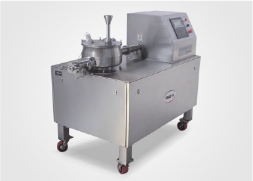
Mini Rapid Mixer
Granulator GMP Model
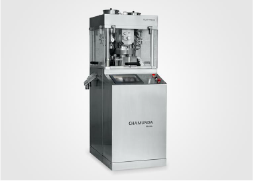
Duo Press – Bilayer
Tablet Press
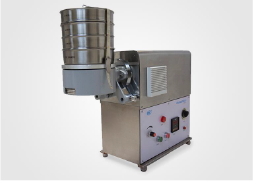
Sieve Shaker
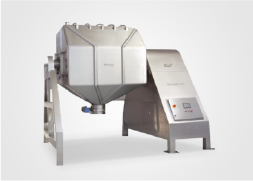
Octagonal Blende
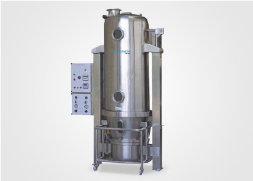
Fluid Bed Dryer
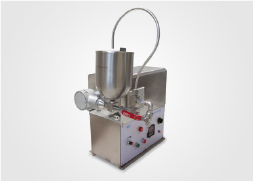
Homogenizer
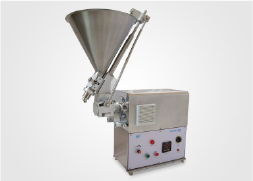
Ointment Filling
 - Fluid Bed Processor.png)
FB Tech CI (Lab Model) - Fluid Bed Processor
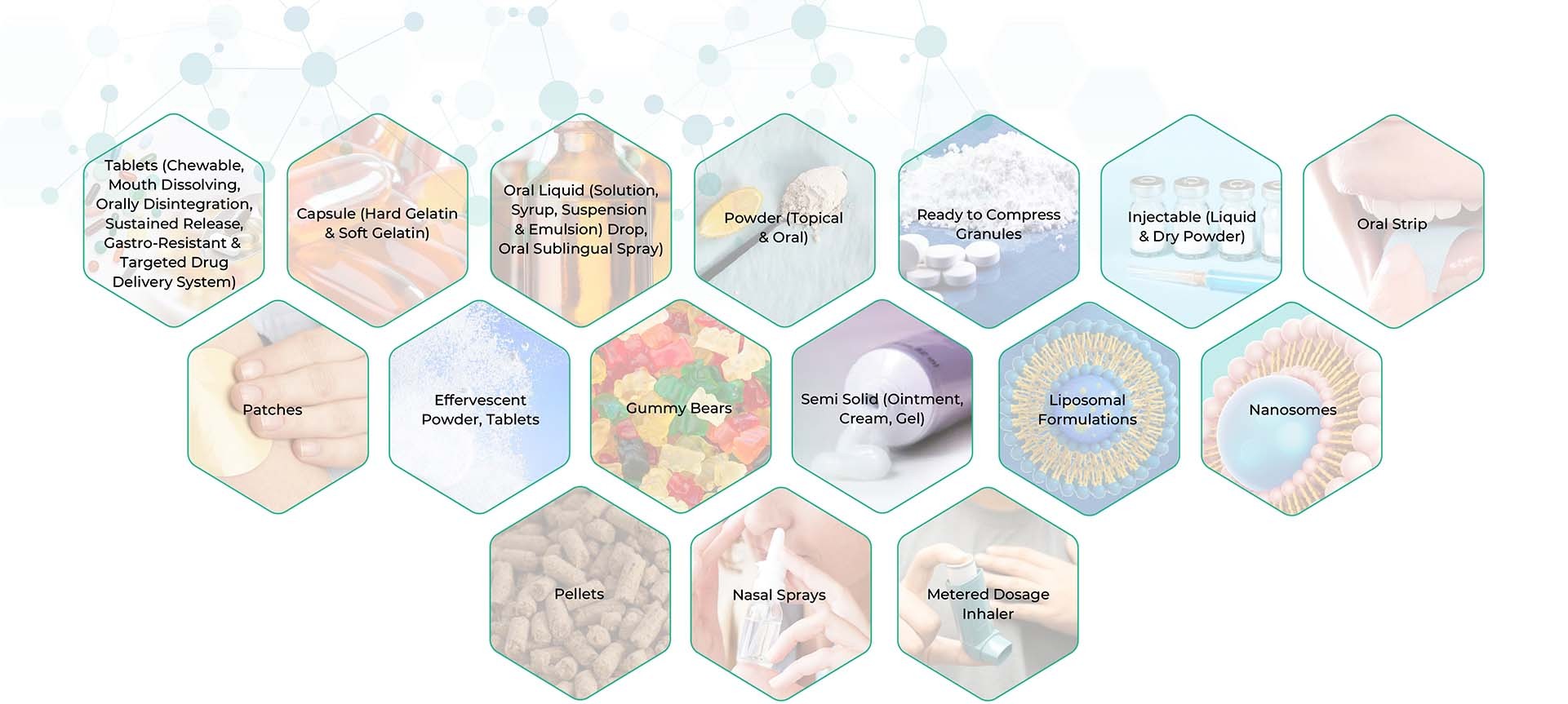
We are currently offering development of different formulation dosages in our approved Loan licensing partners which are WHO GMP Compliant / EU/ US FDA as per client requirement ROW /Regulatory markets. Details to be shared upon NDA/CDA approval.
| Dosage Form | Development Timeline |
|---|---|
| Tablets (IR / Film Coated) | 6 – 9 Months |
| Capsules | 6 – 9 Months |
| Liquid Injections | 7 – 9 Months |
| Lyophilized Injections | 9 – 12 Months |
ICH Q9 and FMEA (Failure Modes Effects Analysis) guideline-Reference SOP no QA023R2.
We follow ICH guidelines for stability studies and can offer 3 months accelerated and up-to 6 month real time stability data on the optimized FND RND trial batch at our site.
Yes, we can offer technology transfer of the optimized Formulation process along with Submission of full Development Report /Tech Pack along with 6 month Long term + accelerated Stability data. On site or Remote support during validation at Client facility and transfer of pilot batch can also be provided
We offer a minimum of 2 years of Regulatory support to client for any queries by the regulatory bodies and can be extended up-to 5 years depending on the client requirement