×
.jpg)
Every pharmaceutical development plan relies closely on analytical method development, validation, and transfer, each of which is vital in its own right.
Method transfer at Pharmaffiliates is a systematic process in which we thoroughly assess how well techniques created by our staff perform when used in a different laboratory environment.
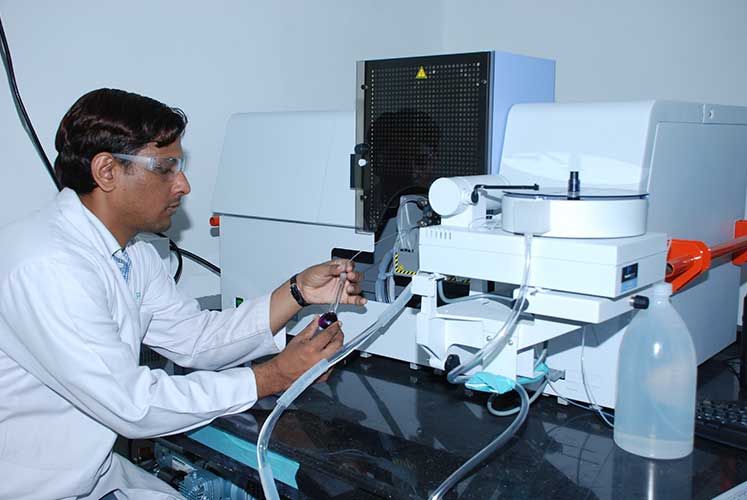
Method Transfer is the formal process by which Pharmaffiliates assesses whether an analytical method it developed and validated can be successfully implemented in another laboratory (the receiving lab) with equivalent performance. :contentReference[oaicite:1]{index=1}
It is required when a validated method needs to be moved from the original (sending) lab to a different (receiving) lab — for example before outsourcing testing, shifting production site, or running QC/ release testing at another facility. :contentReference[oaicite:2]{index=2}
They verify that when the method is run in the receiving lab, results are consistent with those from the sending lab — using identical samples, equipment or equivalent instruments, reagents and approved protocol, and evaluating performance (precision, accuracy, system suitability, etc.). :contentReference[oaicite:3]{index=3}
You need to provide the validated method (with full protocol), working standards/reference standards, sample batch (or representative samples), details of receiving lab instruments/environment, and agree on an approved transfer protocol before the transfer is initiated. :contentReference[oaicite:4]{index=4}
Any validated analytical methods — e.g. chromatographic (HPLC, GC/UPLC), spectroscopic or other methods — can be transferred, provided both labs agree on method conditions and equipment suitability. :contentReference[oaicite:5]{index=5}
Pharmaffiliates will assess equivalence of instruments, reagents, and conditions; method transfer will include protocol design and validation that accounts for such differences to ensure performance remains acceptable. :contentReference[oaicite:6]{index=6}
You will receive a Method Transfer Report (or certificate) summarizing the study design, acceptance criteria, comparative results from sending and receiving labs, any deviations, and confirmation that the method is qualified for use in the receiving lab. :contentReference[oaicite:7]{index=7}
If predefined acceptance criteria are not met, Pharmaffiliates will review potential causes (e.g. instrument differences, analyst training, environmental factors) and either optimize the method or repeat transfer until acceptable equivalence is achieved — or advise needed adjustments. :contentReference[oaicite:8]{index=8}
Yes — proper method transfer with documented protocol, comparative testing or co-validation, and reporting ensures that analytical methods remain compliant across different labs and support regulatory acceptance. :contentReference[oaicite:9]{index=9}
Contact Pharmaffiliates via the enquiry form or email/phone, specify the method to transfer, sending and receiving lab details, and supply required sample/reference standards — Pharmaffiliates will prepare a transfer protocol and timeline for your approval. :contentReference[oaicite:10]{index=10}