×
.jpg)
It involves proving that analytical methods are appropriate for their intended purpose, a key requirement set by regulatory bodies at specific phases of the drug approval process.
Pharmaffiliates typically validates test methods for
The process starts with a validation protocol, thoughtfully reviewed and signed by both the client and Pharmaffiliates. Our team then carries out the lab work carefully, strictly following the agreed method to ensure every step meets your expectations.
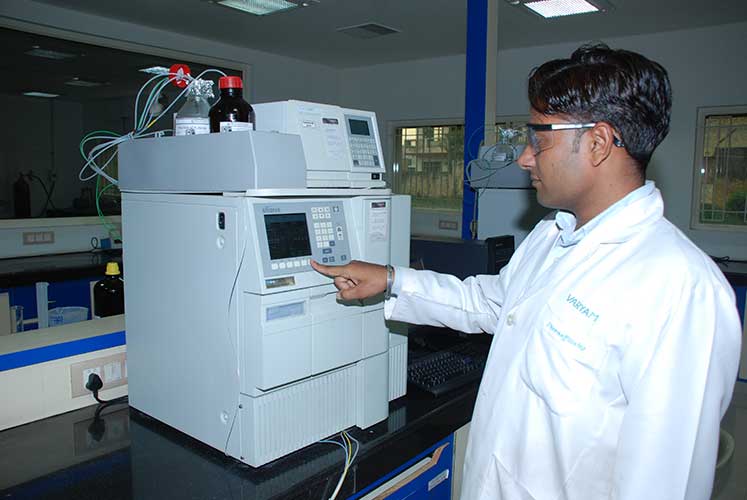
You receive a full validation report including all tested parameters (specificity, precision, accuracy, limits, robustness etc.), details of test conditions, results, and any raw data or chromatograms/spectra — enabling regulatory or QC use. :contentReference[oaicite:5]{index=5}
Yes — as long as the method is fully described, Pharmaffiliates can validate it, provided the protocol is agreed and suitability is confirmed in their lab environment. Their validation service is not limited to methods developed internally. :contentReference[oaicite:6]{index=6}
Pharmaffiliates supports a full range of modern analytical methods — from chromatography (HPLC/UPLC, GC, etc.) to spectroscopic and mass-spec techniques, enabling impurity profiling, assay, stability-indicating tests, and more. :contentReference[oaicite:7]{index=7}
Yes — because validation is designed to meet the requirements set by regulatory bodies (e.g. those based on guidelines like ICH Q2(R1)) to ensure that analytical methods are “fit for purpose.” :contentReference[oaicite:9]{index=9}
If the method fails a validation parameter, Pharmaffiliates will review and optimize the method (or adjust conditions), then re-execute validation experiments until the method meets acceptance criteria — ensuring it becomes reliable and compliant.
You need to provide details about the sample type (API, drug-product, container), intended analytes, intended use (assay, impurity, stability testing etc.), expected concentration ranges, and any existing method or specifications — then Pharmaffiliates will draft and share a validation protocol for your approval.